Areas covered
EV charge point installers, Surrey
Commercial EV charging points across Surrey
Cobham is home, so Surrey is where our shortest response times are.
Surrey, in brief
Spread thin rather than concentrated
Surrey is an unusual county to install charging in, because its commercial property is spread thin rather than concentrated. There is no single dominant estate. Instead there are business parks strung along the A3 and the M25, office campuses tucked into towns like Woking and Guildford, and a great deal of light industrial tucked behind high streets.
That shape changes the job. Sites here tend to be smaller, closer to housing, and often constrained by a supply that was sized for an office rather than a car park. It is a county where load management earns its keep.
On this page
The commercial landscape, and what it needs
01
The commercial landscape, and what it needs
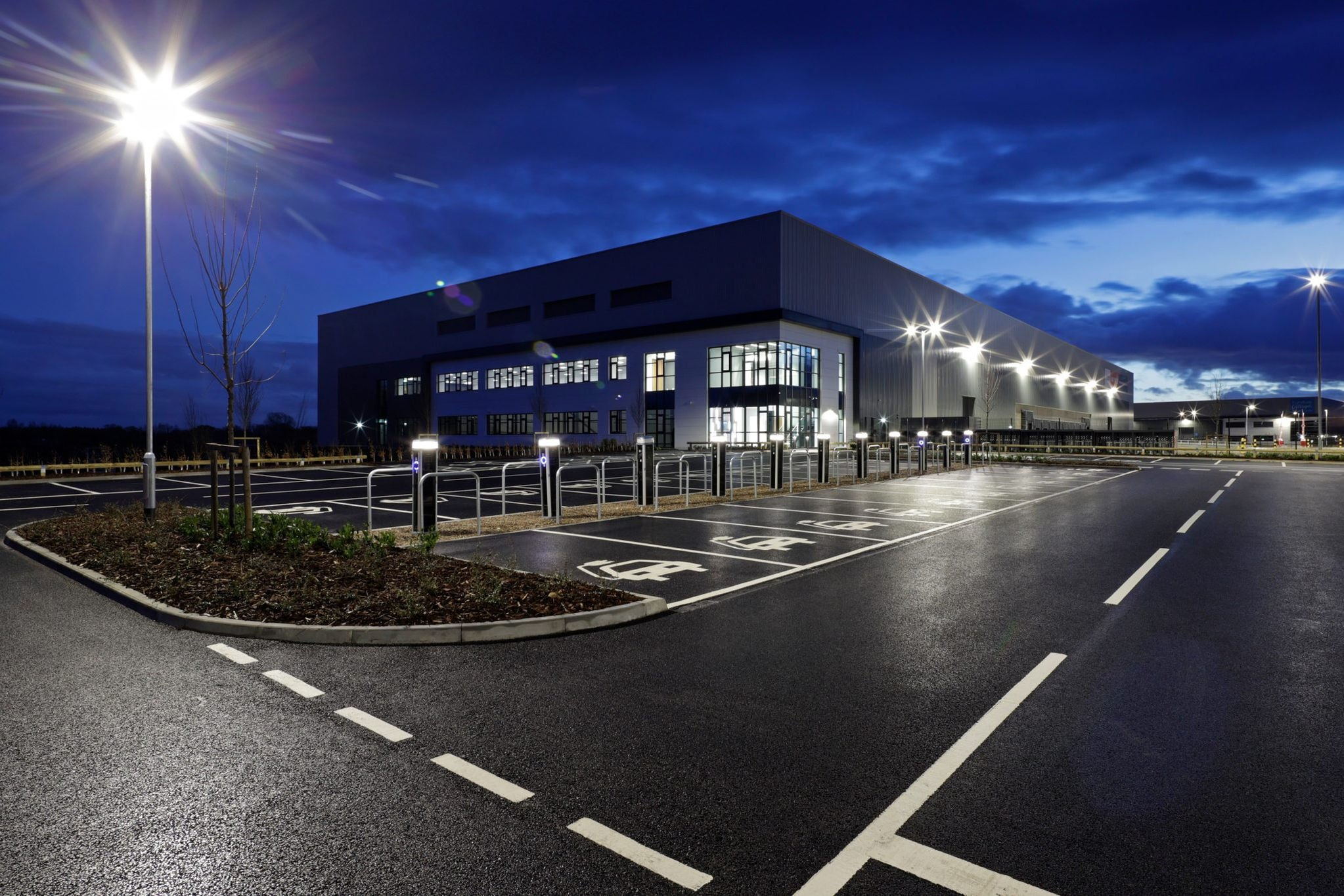
Brooklands at Weybridge, the Surrey Research Park at Guildford, the business parks around Leatherhead and Chessington, and the office stock in Woking and Redhill make up most of the county's larger workplace charging demand. These are surface car parks with long dwell times, which is the easiest charging problem there is: vehicles sit for seven or eight hours and need nothing faster than 7kW to leave full.
Behind those, Surrey has a lot of light industrial and trade counter units, often on estates with shared yards and a single incoming supply feeding several tenants. Those sites need the metering sorted out before anything is installed, because otherwise one tenant ends up paying for another's charging.
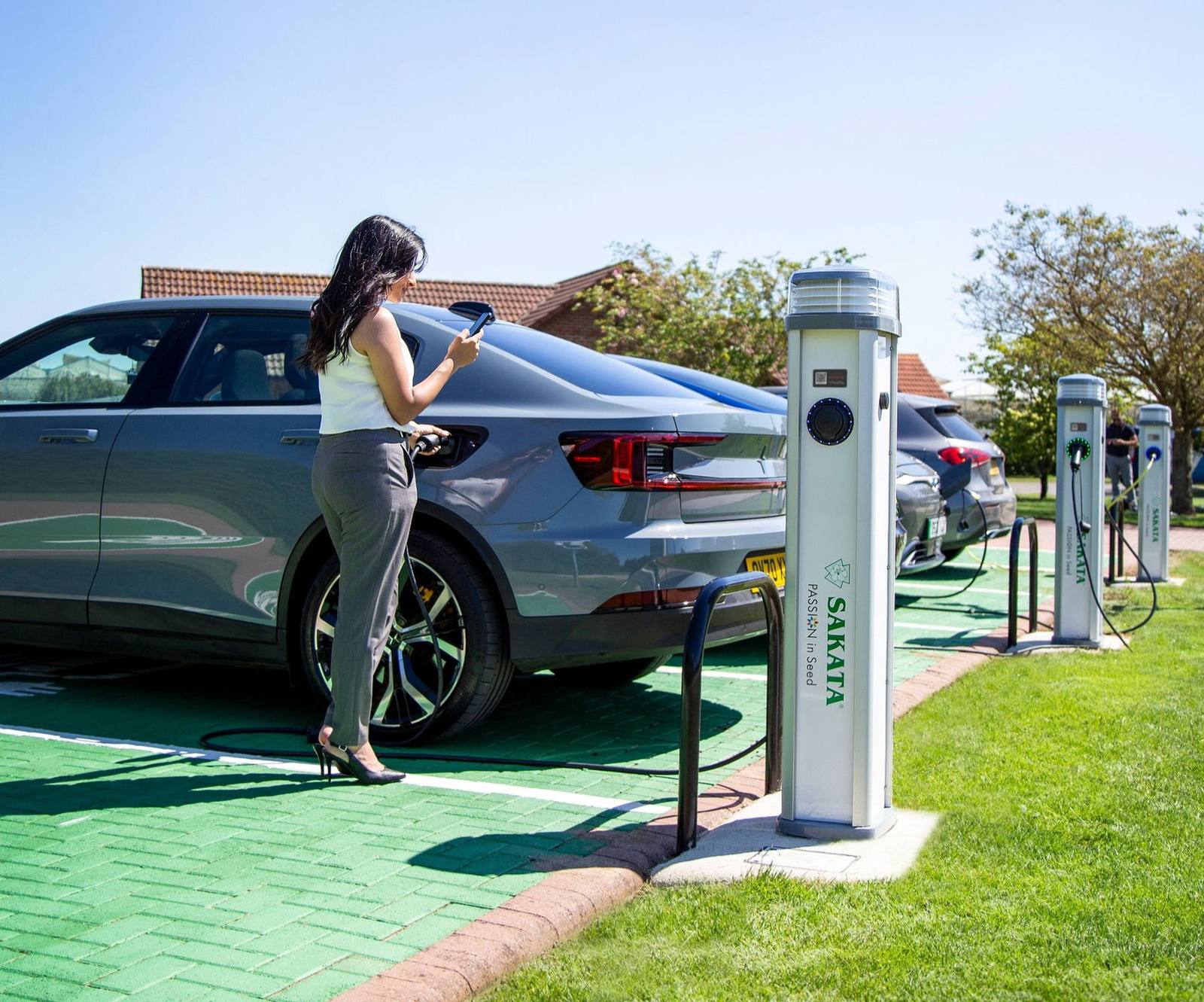
- Office campuses with long dwell times, where slower charging on more bays beats fewer fast ones
- Multi-tenant industrial estates where per-unit metering matters more than power
- Town centre car parks where the constraint is the cable route, not the supply
- Residential developments where the car park is managed rather than owned
02
The grid picture in Surrey
Surrey sits on a network boundary. SSEN operates across much of the county and UK Power Networks covers the eastern side, so which operator you deal with depends on your postcode rather than on the county. We confirm it from the address before any application goes in.
In practice the more useful question is not who the operator is but how much spare capacity your existing supply has. On most Surrey commercial sites there is more than the owner expects once load management is in play, and the connection application is avoided entirely.
03
Fleet and depot work along the A3 and M25
The A3 and the M25 shape almost all of Surrey's logistics activity, and the depots that serve it sit close to those roads rather than in the towns. Depot charging here is a duty cycle problem: vehicles come back in the evening and leave early, so the whole fleet has to be charged inside that window without exceeding the site supply.
That is a scheduling job as much as an electrical one. Charging is spread across the night and prioritised so the vehicles going out first are ready first.
04
Landlords and managed property
A large share of Surrey's newer housing is flats and managed developments with a shared car park, and those are the sites where charging is hardest to retrofit and most often asked for. The answer is usually a shared feed to a handful of metered units rather than a unit per space, with residents billed for what they use so the cost does not land on the service charge.
05
Home charging in Surrey
Surrey's housing runs from Victorian and Edwardian stock in the older towns through a great deal of interwar and post-war suburban housing to modern estates. The interwar and post-war houses are the easiest, because the driveway is usually on the same side as the meter. Period properties in the conservation areas around Guildford, Farnham and Dorking need more thought about where the unit goes and how the cable is finished.
06
The three sites we are asked about most in Surrey
The first is an office or business park unit with forty to a hundred spaces and a supply sized for the building rather than the car park. The answer is almost always load management and a phased rollout rather than an upgrade, because the vehicles sit all day and do not need speed.
The second is a managed residential development with a shared car park and a management company that needs the electricity billed to residents rather than absorbed into the service charge. That is a metering and access problem more than an electrical one.
The third is a light industrial or trade unit on a shared estate, where the supply is shared with neighbouring tenants. Those need the metering settled before anything is installed, or one tenant quietly pays for another's charging.
Towns we cover
Across Surrey
We work across the whole county. These are the towns we are in most often, and the ones closest to Cobham get the shortest response times.
14 of 14 Surrey locations
- CobhamKT11
- GuildfordGU1
- WokingGU21
- WeybridgeKT13
- EsherKT10
- LeatherheadKT22
- EpsomKT17
- DorkingRH4
- ReigateRH2
- RedhillRH1
- CamberleyGU15
- FarnhamGU9
- StainesTW18
- Walton-on-ThamesKT12
Questions
What Surrey sites ask us
Surrey sits on a boundary. SSEN operates across much of the county and UK Power Networks covers the eastern side, so it depends on your postcode rather than on the county. We confirm it from the site address before any connection application goes in.
Usually more than the supply looks like it will carry, because load management lets the units share what is spare rather than each demanding full power. On a site where vehicles sit all day, more bays at a lower rate beats fewer fast ones. The survey gives you the number.
Yes, and we are based in Cobham so most of the county is a short journey. That matters most for aftercare rather than installation, because it is the difference between someone attending a fault the same day and the following week.
Usually. The normal answer is a shared feed to a small number of metered units rather than a unit per space, with residents billed for their own charging so the cost does not land on the service charge. There is grant support aimed specifically at residential car parks.
Whoever uses it, provided the metering is set up correctly at the start. Each unit meters its own sessions, so charging is billed to the tenant or the driver rather than landing on a shared supply that somebody else pays for.
Most faults are diagnosed remotely and cleared the same day without anyone attending. Where a visit is needed, Surrey is our home county and it is one of our own electricians rather than a subcontractor.
What we install
Charging and solar across Surrey
Everything below is installed and supported throughout Surrey, by an OZEV approved installer based in Cobham.
- Solar PV Installer Surrey
- EV Charging Point installation Surrey
- Home EV Charger Surrey
- Workplace EV Charger installer Surrey
- Vehicle Charger Installation Surrey
- Business EV Charging Surrey
- Commercial EV Charging Installation Surrey
- EV Charger Repair Surrey
Tell us about the site in Surrey
Send over the address and roughly what you are after. We will tell you what it involves and what it costs, with no obligation.