Services
Depot charging sized around your duty cycle, not a guess
Charging that turns a fleet round overnight and keeps it moving in the day.
What it involves
A depot is not a car park with more sockets
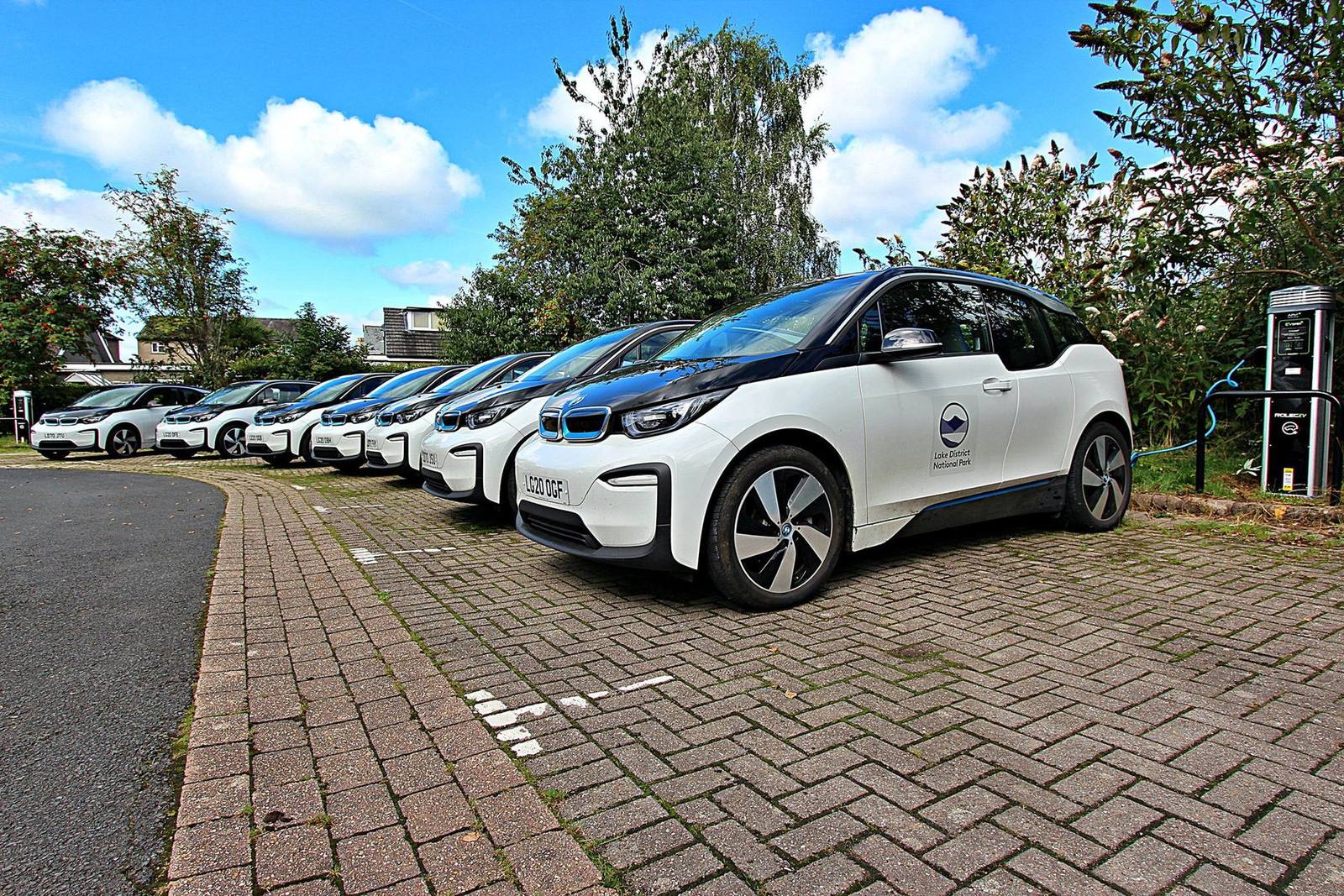
A depot is not a car park with more sockets. The vehicles come back in a pattern, they go out in a pattern, and the charging has to fit between the two without exceeding what the site can draw.
So we start with the operation. How many vehicles, what mileage they cover, what time they come back and what time they leave. That tells us how much energy has to go into the fleet overnight, and from there what the installation actually needs to be.
On this page
Sizing it from the duty cycle
01
Sizing it from the duty cycle
The question is never how fast a charger can go, it is whether every vehicle is ready when its driver arrives. A van back at six and out at seven has thirteen hours, and thirteen hours is a lot of charging even at modest power.
Working from the duty cycle usually means fewer, cheaper units than a specification written around peak power, and a supply that does not need upgrading.
- Energy needed per vehicle per night, from real mileage rather than a headline range
- The window between last vehicle in and first vehicle out
- Whether any vehicles need a mid shift top up, and how many
- Room to grow as more of the fleet turns over
02
Charge scheduling and the site supply
Charging a yard full of vehicles at once is the fastest way to exceed your supply and your agreed capacity charge. Scheduling spreads the load across the window, prioritises the vehicles that leave first, and keeps the site inside its limit.
It also puts most of the charging into the cheaper part of the night, which on a fleet of any size is the difference that pays for the back office.
03
Rapid DC where turnaround matters
Where a vehicle has to be back out in half an hour rather than overnight, AC charging is the wrong tool. Rapid DC from 40kW upwards puts useful range in during a break, and the modular units let you buy the power you need now and add to it later.
Most depots end up with a mix: enough AC for the overnight fleet, and one or two rapid units for the vehicles that cannot wait.
04
Reporting, drivers and cost per mile
Fleet managers need to know what each vehicle cost to run, not what the depot cost to power. The units meter per session and the back office reports per vehicle and per driver, including reimbursement for drivers who charge at home.
- Cost and energy per vehicle, per driver and per site
- Home charging reimbursement records that stand up to an audit
- Alerts when a unit faults, so it is fixed before the morning
- Multi site reporting where a fleet runs from more than one yard
05
Keeping the depot moving
A dead bay in a car park is an inconvenience. A dead bay in a depot is a vehicle that does not go out. Sites that cannot afford that carry maintenance cover with agreed response times, remote diagnostics and spares held for the units we have fitted.
The units we fit
Equipment that suits this kind of site
01 · Rapid DC
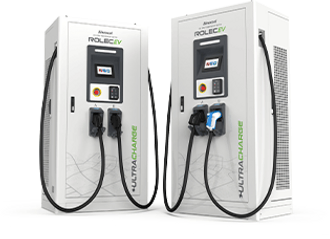
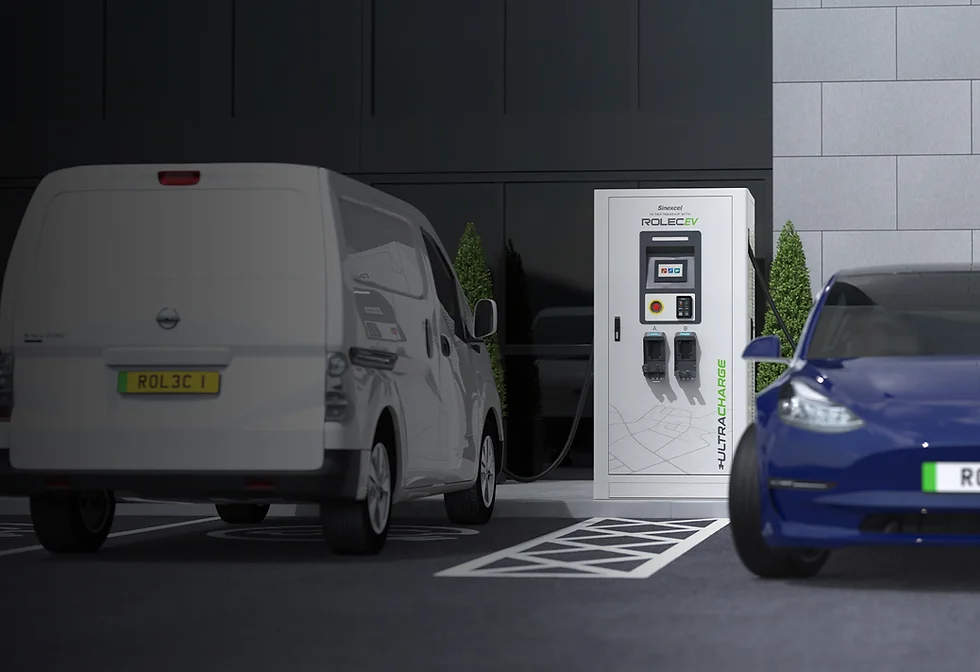
Rolec UltraCharge
40kW to 400kW
Rapid DC charging for depots, forecourts and public sites where the time a vehicle spends plugged in is the thing that matters.
View unit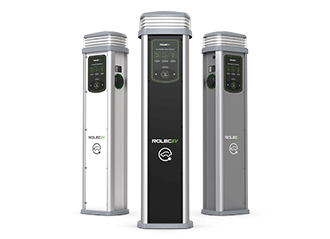
02 · Commercial pedestal
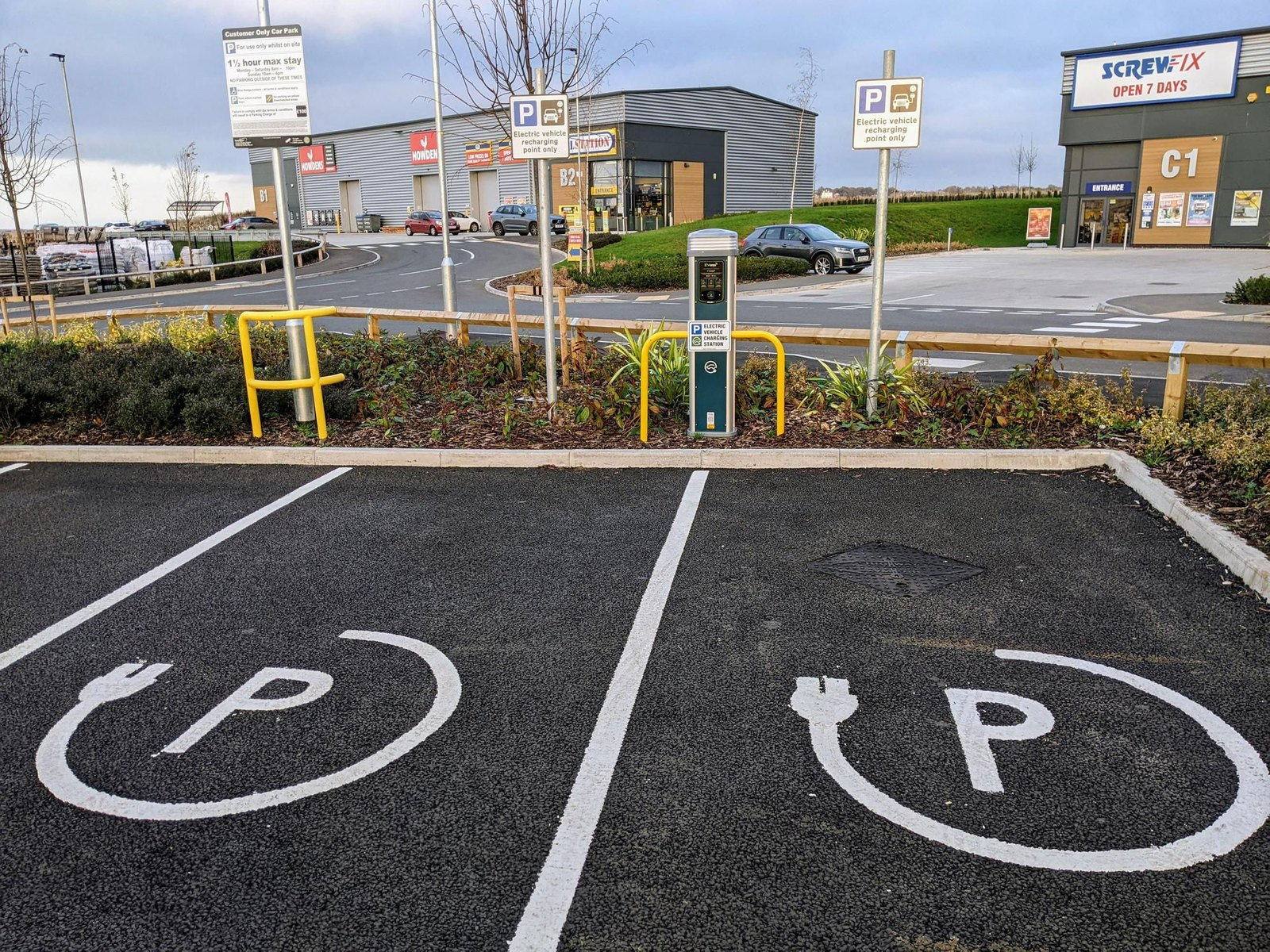
Rolec Quantum
7.4kW or 22kW
A twin socket pedestal with payment and lighting built in. The usual answer for a public or paid car park.
View unit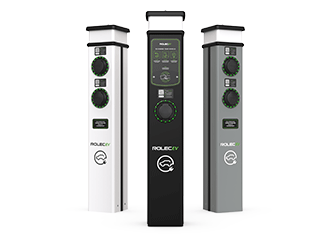
03 · Commercial pedestal
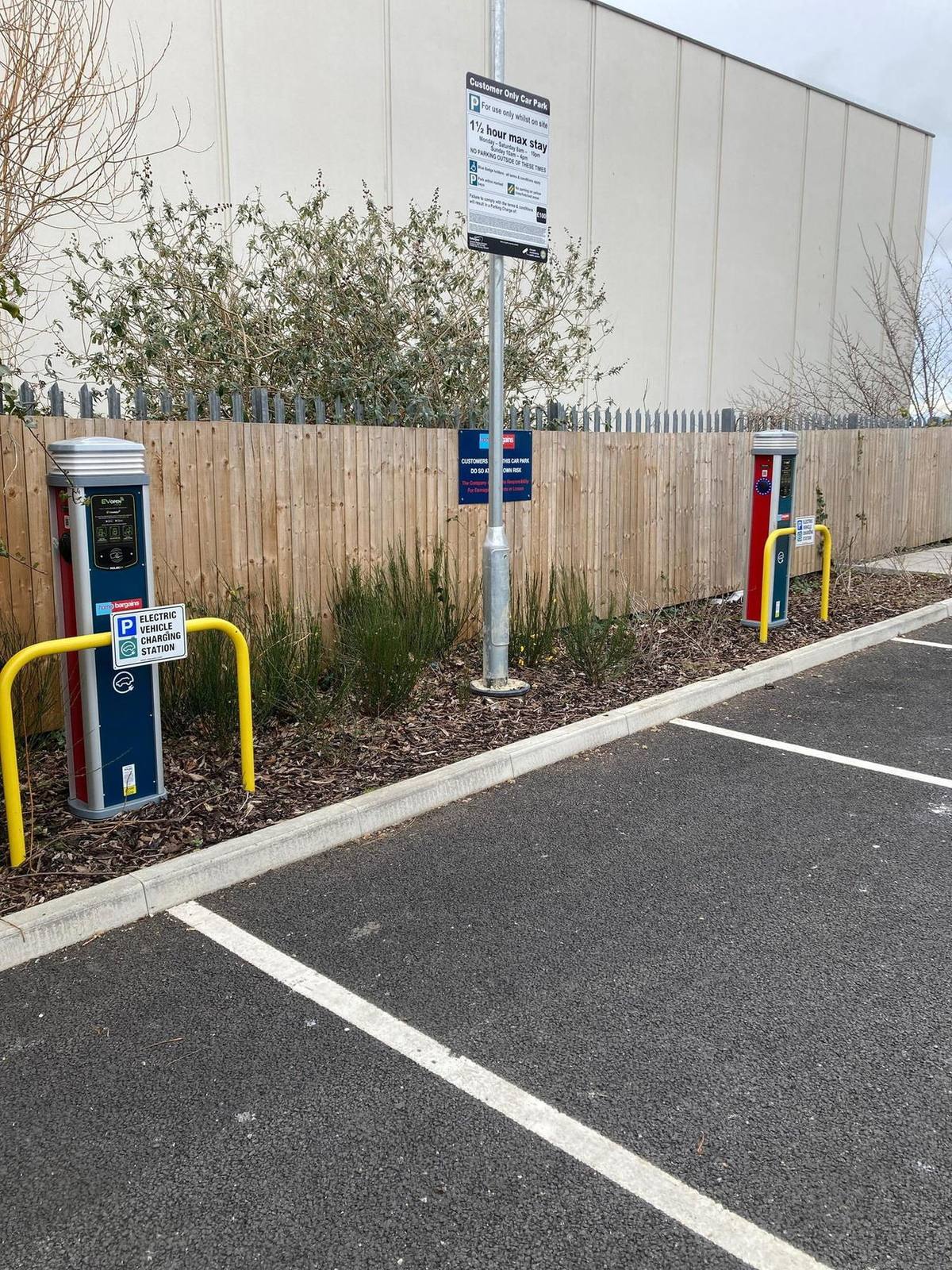
Rolec BasicCharge
7.4kW or 22kW
A straightforward twin socket pedestal for when you want working bays without the extras.
View unit
Questions
What people ask us about this
From the duty cycle. How many vehicles, what mileage they cover, when they come back and when they leave. That gives the energy the fleet needs overnight and the window it has to go in, which together decide the number and the power of the units.
It would, which is why we schedule it. Charging is spread across the window and prioritised so the vehicles leaving first are ready first, and the site stays inside its agreed capacity.
Only for vehicles that cannot wait. Most depots need enough AC charging for the overnight fleet and one or two rapid units for mid shift top ups, which is far cheaper than specifying rapid charging everywhere.
Yes. Where a driver has a home unit on the same platform, the energy that goes into the company vehicle is metered separately from the household supply and reported for reimbursement.
Yes, and it is much cheaper if we plan for it now. We put in the containment and cable capacity for the bays you will want later while the ground is already open, so adding units becomes a day's work.
Also from us
Other things we install
Tell us about the site
Send over the address and roughly what you are after. We will tell you what it involves and what it costs, with no obligation.