Services
EV Charger Repair
EV charger repair, usually without anyone coming out
Remote diagnosis first, our own engineers second, and cover for sites that cannot afford a dead bay.
What it involves
A ten year asset, used by people who did not buy it
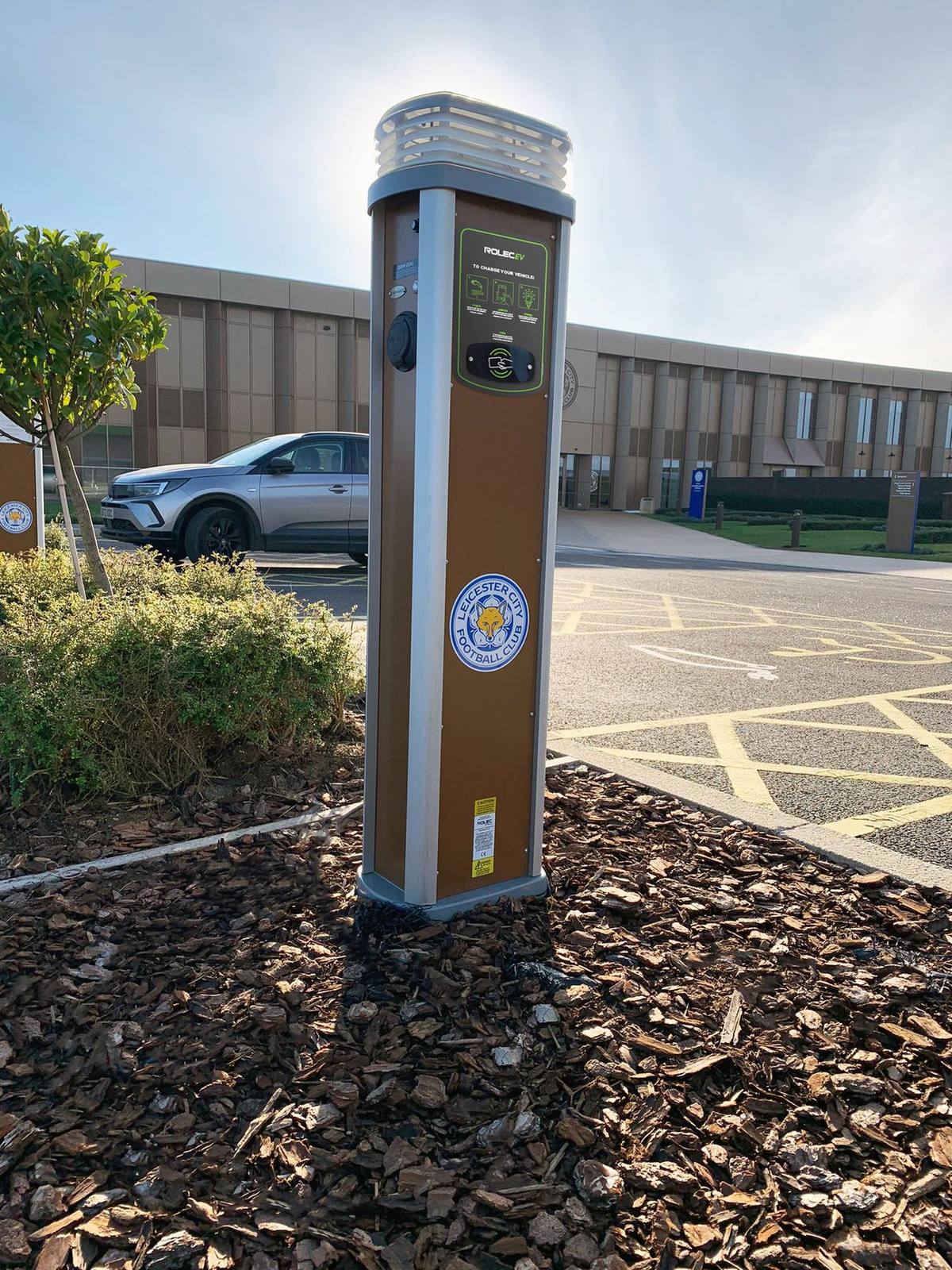
A charge point is a ten year asset that sits outdoors and gets used by people who did not buy it. Things go wrong with it, and what matters is how quickly somebody establishes what and puts it right.
We repair and service charging equipment whether or not we installed it. Most of what gets reported as a broken charger is cleared remotely within the same day, because the fault is in the configuration, the back office or the vehicle rather than in the unit on the wall.
On this page
What actually goes wrong
01
What actually goes wrong
In rough order of how often we see it: a communications fault where the unit has lost its connection to the back office and appears dead while being electrically fine, a tripped protective device caused by something else on the site, a vehicle that will not negotiate a charge because of its own settings, physical damage from a vehicle or from weather, and last of all an actual fault in the charger.
That order matters, because it means the first useful step is almost never a van. It is somebody looking at the unit remotely.
- Communications and back office faults, cleared remotely
- Protective devices tripped by something else on the site
- Vehicle side problems that look like charger problems
- Physical damage, connector wear and weather ingress
- Genuine equipment faults, which are the minority
02
How a repair runs
You report it, we look at the unit remotely and read the fault, and in most cases we clear it or tell you what it is the same day. Where it needs an attendance we book it and bring the parts the diagnosis says we need rather than turning up to have a look.
We carry spares for the Rolec range because we are their regional approved installer, which is usually the difference between a repair this week and a repair once something is ordered.
03
Equipment we did not install
We take on chargers fitted by somebody else, which is a large part of this work. The common situation is an installer who has stopped trading, or a national contractor whose response time does not suit the site.
What we will do first is establish what is actually there and whether it was installed correctly, because inheriting somebody else's installation without checking it is how you end up owning their mistakes.
04
Servicing and cover
Planned servicing keeps connectors, seals and protective devices in the condition that stops faults happening, and for public or paid charging it also keeps the metering honest.
For sites where a dead bay costs money we hold maintenance cover with agreed response times, priced per site rather than per socket. For a small workplace car park that is usually unnecessary and we will say so.
- Planned servicing of connectors, seals and protective devices
- Agreed response times for sites that cannot carry downtime
- Priced per site, not per socket
- Compliance checked as wiring and accessibility standards change
The units we fit
Equipment that suits this kind of site
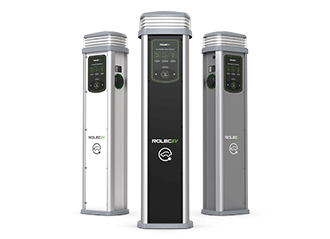
01 · Commercial pedestal
Rolec Quantum
7.4kW or 22kW
A twin socket pedestal with payment and lighting built in. The usual answer for a public or paid car park.
View unit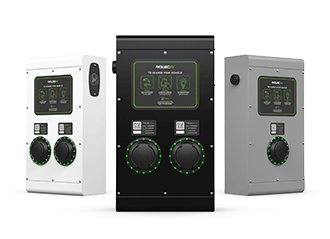
02 · Heavy duty wall unit
Rolec SecuriCharge
7.4kW or 22kW
A tougher wall mounted unit for workplaces and sites where a charger is likely to get knocked about.
View unit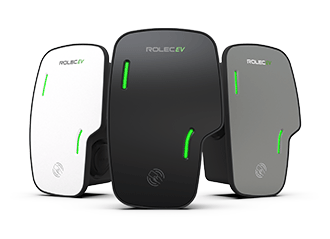
03 · Smart home unit
Rolec Zura
7.4kW single phase, or 22kW three phase
The smart home charger, app controlled, in a case that suits most houses and a fair few small car parks.
View unit
Questions
What people ask us about this
Yes, and it is a large part of this work. The usual reason is an installer who has stopped trading or a national contractor whose response times do not suit the site. We establish what is actually there and whether it was installed correctly before taking it on.
Most are diagnosed remotely and cleared the same day you report them, because the majority are communications or configuration faults rather than broken hardware. Where an attendance is needed we bring the parts the diagnosis calls for rather than coming to look.
Often not. The most common fault we see is a unit that has lost its connection to the back office and appears dead while being electrically fine. That is why the first step is a remote look rather than a van.
Only if a dead bay actually costs you something. For public or paid charging and for fleet depots it is usually worth it. For a small workplace car park it generally is not, and we will tell you so rather than sell you cover you do not need.
Yes, and across multiple sites on one platform so faults and usage are visible in one place. Servicing is priced per site rather than per socket.
We repair it if it is economic to repair and tell you plainly when it is not. On older units the honest answer is sometimes replacement, and we would rather say that than keep charging you to nurse something along.
Also from us
Other things we install
Tell us about the site
Send over the address and roughly what you are after. We will tell you what it involves and what it costs, with no obligation.