Services
Workplace EV Charger installer
Workplace EV charger installer for the South East
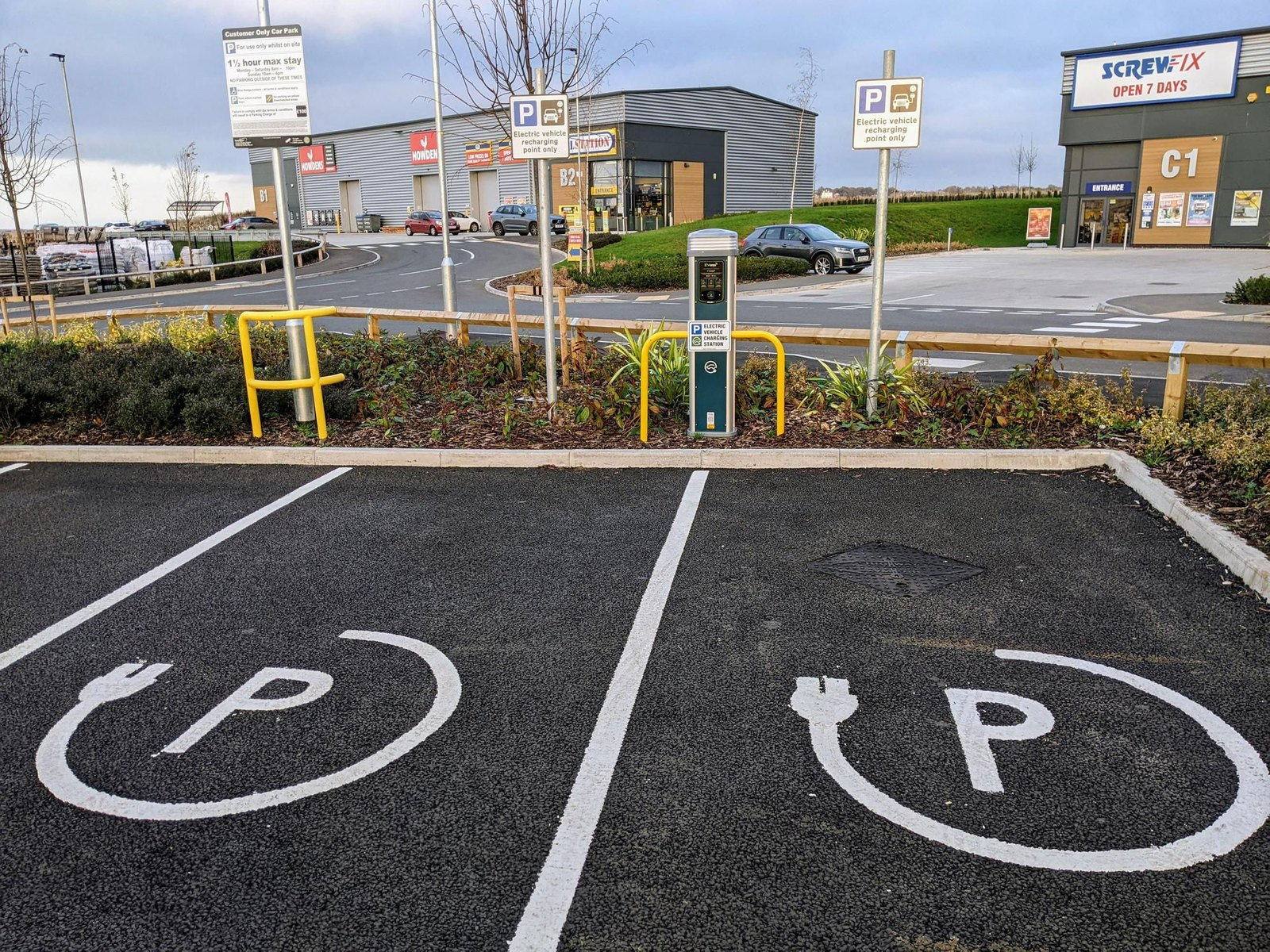
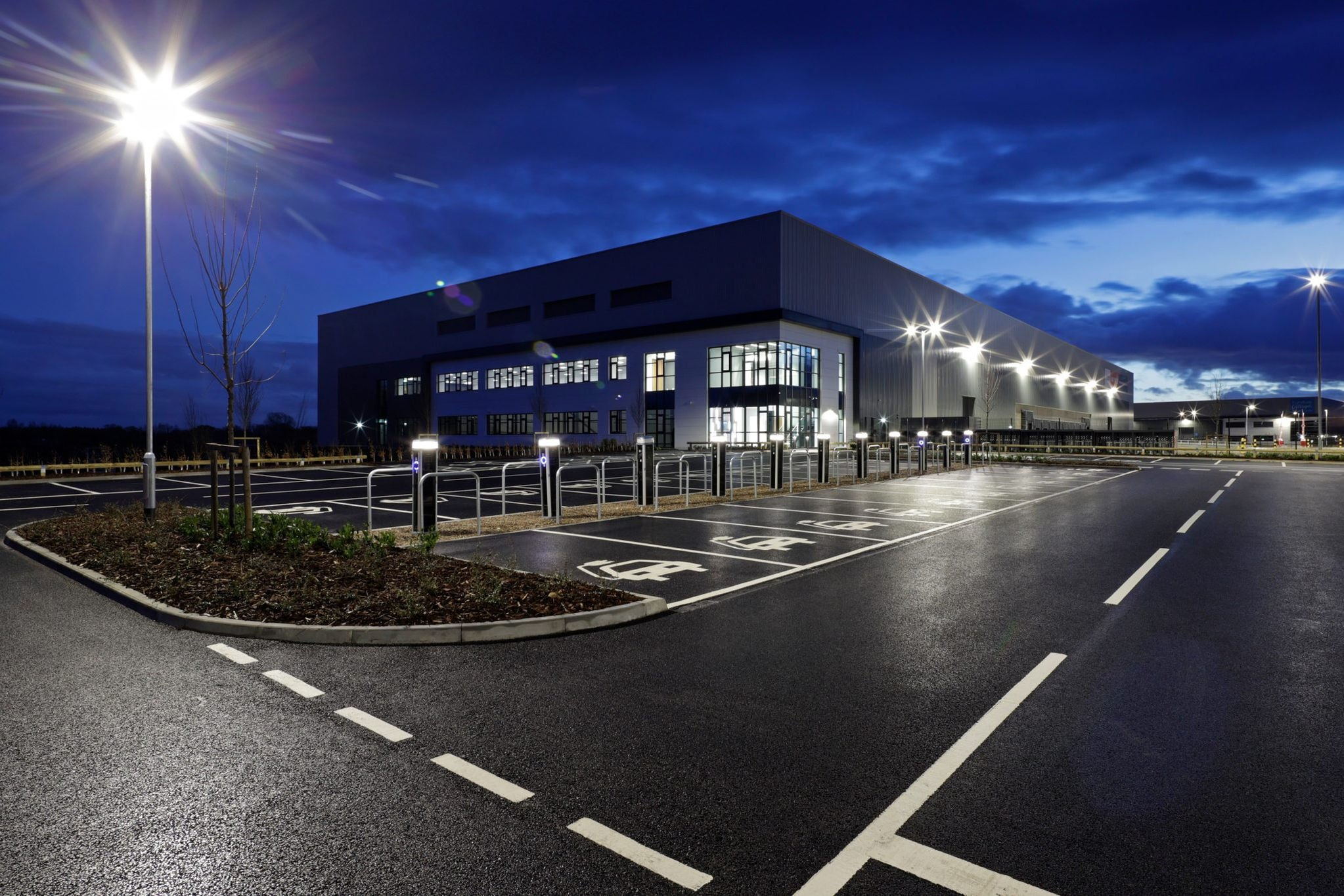
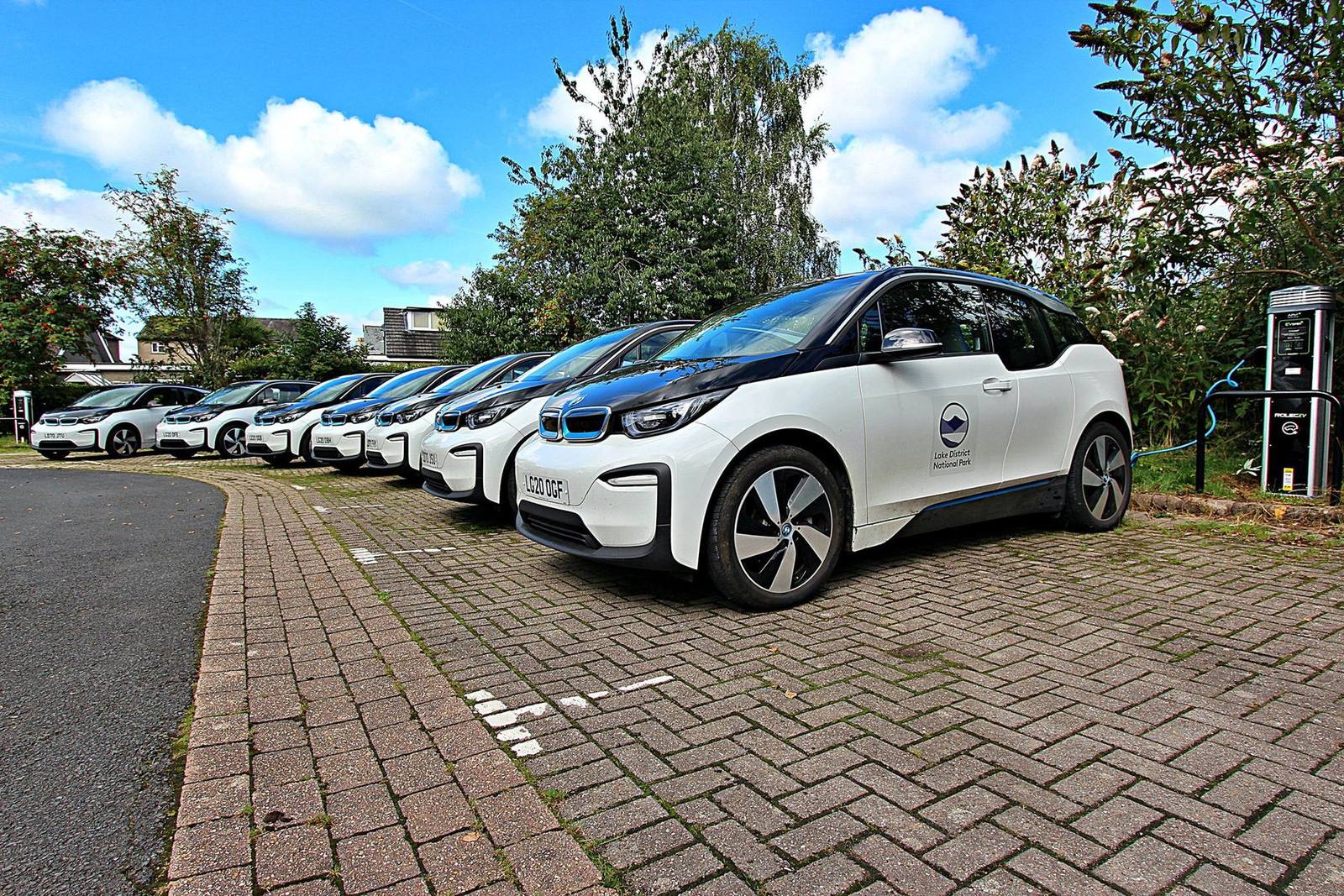
Chargers for staff, visitors and company cars, from one bay to a full car park.
What it involves
It starts with how many bays the supply can carry
Most workplace charging projects start with the same question, which is how many bays the site can actually take. That is a question about the incoming supply, not about the chargers, and it is the first thing we answer.
We survey the site, work out what the supply will carry once the building's own load is accounted for, and design the installation around it. Often that means more bays than a site owner expected, because load management lets the chargers share what is spare rather than each demanding full power.
On this page
What the survey establishes
01
What the survey establishes
A survey is an hour or two on site and it settles the things that decide the cost. We look at the incoming supply and the spare capacity, the route from the board to the bays, the surface the cable has to cross, and where the bays make sense for the people who will use them.
- The spare capacity on your existing supply, measured rather than estimated
- Whether load management will do the job or a supply upgrade is genuinely needed
- The cable route, and whether any of it needs digging
- Where the bays should go for access, lighting and future expansion
02
Load management, and why it usually saves the upgrade
Eight bays at 22kW is 176kW if every unit pulls full power at once. Very few sites have that spare, and almost no site needs it, because cars sit plugged in for hours and take what they need in the first part of that time.
Load management shares the spare capacity between the units that are actually charging. In practice that is often the difference between installing the bays you want now on the supply you have, and paying for a new connection you would not otherwise need.
03
Billing, access and who pays
Every unit we fit meters its own sessions and speaks OCPP, so the site can be run however suits the organisation. Staff can be billed for what they use, visitors can be charged a different rate, and pool vehicles can be kept separate from both.
- Bill staff, keep it free as a benefit, or set different rates for staff and visitors
- Access by RFID card, app or contactless, so the bays are not open to the street
- Usage and cost reporting your finance team can actually reconcile
- Reimbursement records for drivers who charge a company car at home
04
Phasing it properly
The cheapest bay to install is the one you put the groundwork in for while the trenches are already open. Where a site expects to grow, we put in the containment and the cable capacity for the bays you will want in a few years, then fit the units you need now. Adding the rest later becomes a day's work rather than digging the car park up twice.
05
Grants for workplaces
Businesses, charities and public sector bodies can usually claim towards workplace sockets through the Workplace Charging Scheme. The scheme has rules about who qualifies and how many sockets are covered, and the rates change, so we confirm what applies to your site at survey and handle the application rather than leaving you to it.
The units we fit
Equipment that suits this kind of site
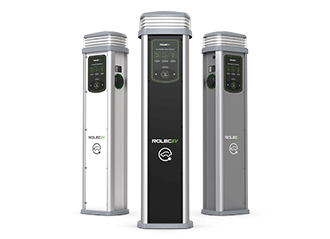
01 · Commercial pedestal
Rolec Quantum
7.4kW or 22kW
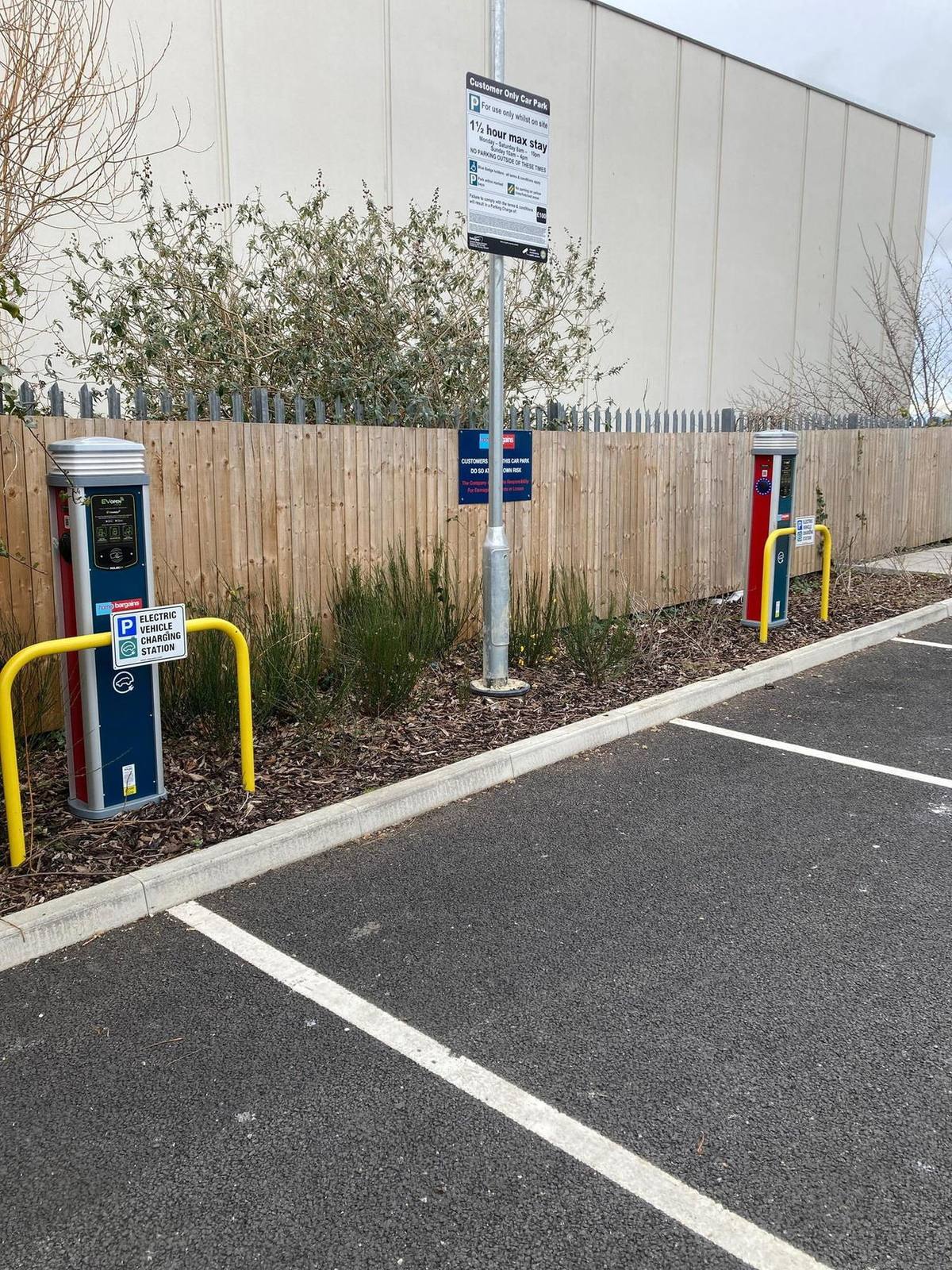
A twin socket pedestal with payment and lighting built in. The usual answer for a public or paid car park.
View unit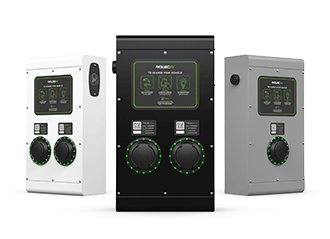
02 · Heavy duty wall unit
Rolec SecuriCharge
7.4kW or 22kW
A tougher wall mounted unit for workplaces and sites where a charger is likely to get knocked about.
View unit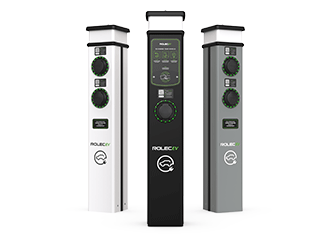
03 · Commercial pedestal
Rolec BasicCharge
7.4kW or 22kW
A straightforward twin socket pedestal for when you want working bays without the extras.
View unit
Questions
What people ask us about this
That is what the survey answers. With load management most sites take more bays than the owner expects, because the units share the spare capacity instead of each demanding full power. Where the supply genuinely will not carry it, we tell you what an upgrade costs before you commit to anything.
A handful of bays is usually a day or two on site. A larger car park depends on the cable runs and any groundwork, and you get the programme with the quote so you can plan around your opening hours.
Yes. The units meter each session and work with the main billing platforms, so you can bill staff, keep it free as a benefit, or set different rates for staff and visitors.
Yes. Most of the disruptive work is the cable route rather than the units themselves, and we programme it so the car park keeps working. On sites that cannot lose bays in the day we work outside opening hours.
Call us. Most faults are diagnosed remotely and cleared the same day. If someone needs to attend it is one of our own electricians, and we hold maintenance cover for sites where a dead bay costs money.
Also from us
Other things we install

Tell us about the site
Send over the address and roughly what you are after. We will tell you what it involves and what it costs, with no obligation.